
BSQ Briefing: IGuidance on Resolving Disputes Between States Over Red Notices
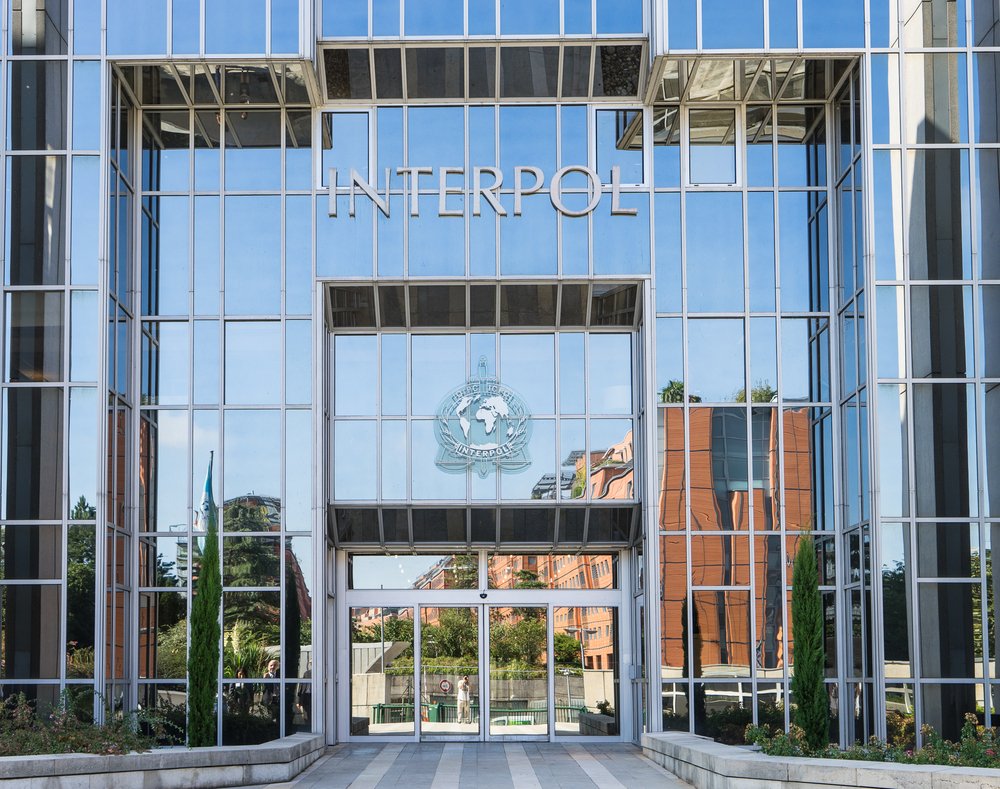
In 2024, INTERPOL introduced important reforms to the way disputes between countries are handled when it comes to Red Notices.
A Red Notice is one of the most powerful tools INTERPOL can issue — it is effectively an international request for the arrest of an individual, often with the aim of extradition. But because Red Notices are requested by governments, they can sometimes become the subject of political disputes between states.
When this happens, individuals can face years of legal uncertainty, with their reputations, careers, and freedom placed in jeopardy.
Recognising this problem, INTERPOL has now published updated rules to provide greater clarity and fairness when member states disagree about the validity of Red Notices.
The new framework under Article 135 RPD
The reforms, set out in Article 135 of the Rules on the Processing of Data (RPD), create a structured, three-stage process for settling disputes between countries:
1. Concerted consultation – The first step is for the states involved to try to resolve their disagreement directly through consultation.
2. Final compliance decision – If consultation fails, INTERPOL’s General Secretariat will issue a binding decision on whether the Red Notice complies with INTERPOL’s rules.
3. Policy question to the Executive Committee – If a state remains dissatisfied, it may raise a “policy question” about the application of INTERPOL’s rules. The Executive Committee will decide the matter if it falls within its remit. If not, the issue can be referred to the General Assembly for resolution.
This staged approach is designed to ensure disputes are resolved fairly and consistently, while protecting INTERPOL’s reputation for neutrality.
A famous example: The AMIA case
Perhaps the most well-known example of state conflict over Red Notices is the AMIA bombing case. In 1994, a terrorist attack on the AMIA Jewish community centre in Buenos Aires killed 85 people and injured hundreds. Argentina requested Red Notices against several Iranian officials. Over the following years, Argentina and Iran clashed bitterly over whether those notices should stand.
At one point, INTERPOL’s Executive Committee cancelled several notices after questions were raised about the conduct of an Argentine judge. The dispute did not end there. In 2006, Argentina submitted fresh requests, leading INTERPOL to issue nine Red Notices against eight Iranian nationals. The following year, the Executive Committee authorised six of those notices. Iran challenged the decision before the General Assembly but was unsuccessful. A majority of the member states in INTERPOL voted to keep the notices in place. Tehran condemned the outcome as proof of Western bias—particularly since, at the same time, the General Secretariat had rejected its own request for Red Notices against Israeli officials.
The AMIA case highlights the sensitivity of such disputes and why INTERPOL is so careful to avoid the appearance of taking sides between member states. Roger Sahota is the head of the department. Roger is a partner at Berkeley Square Solicitors and a specialist in international criminal law. Roger specialises in applications to the CCF for the deletion of Interpol Red Notices. He is one the editors of the rednoticemonitor.com.
Our Red Notice Expertise
At Berkeley Square Solicitors, we have successfully represented numerous clients in deletion applications before INTERPOL, including high-net-worth individuals accused of economic crimes. Our dedicated INTERPOL department closely follows new case law and developments such as the 2024 case excerpts and repository, ensuring our clients benefit from the latest insights.
Roger Sahota is currently engaged in representing a number of clients in applying to delete Interpol Red Notices. You can read more about our expertise in challenging Red Notices on our Challenging Red Notices page.
If you require advice and assistance in challenging an Interpol Red Notice or Diffusion, please contact our London offices on 0044 203 858 0851.