Flying Drones in No-Fly Zones: What You Need to Know
Briefing by Patrick O’Hanlon – BSQ Specialist in Drone Law
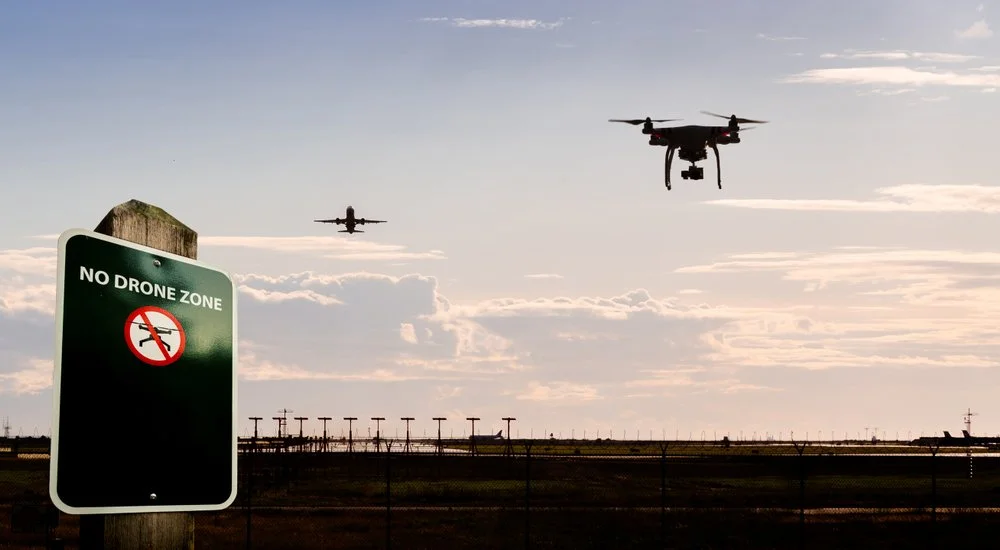
As criminal lawyers who specialises in defending people accused of drone-related offences, BSQ has recently represented a number of clients who found themselves in trouble for flying drones in restricted areas — often without even knowing they’d done anything wrong.
Flying drones is an popular and fast-growing hobby and pastime. But with the rise in drone use, we’re also seeing an increase in people being investigated—and sometimes prosecuted—for breaking drone laws.
If you’re a drone enthusiast, especially flying in busy cities or near sensitive infrastructure, it’s vital to understand the law relating to drones.
What Is a No-Fly Zone?
In the UK, certain areas are legally designated as “no-fly zones” for drones. Flying in these areas can lead to criminal charges. These restricted zones include:
Airports and Airfields
Prisons
Military Bases, Government Buildings, and Royal Residences
Emergency Incident Sites
In addition to permanent restrictions, temporary no-fly zones are sometimes put in place for public events or emergencies. These are announced through official Notices to Airmen (NOTAMs). Before flying your drone, always check whether your chosen location is within a no-fly zone—permanent or temporary.
What Happens If You Fly in a No-Fly Zone?
Many of the people I help are first-time offenders who are shocked to receive a call from the police. Usually, they’re asked to attend a police station for an interview under caution about a suspected breach of drone laws.
If this happens to you, remember: you have the right to have a solicitor present. Having an experienced lawyer by your side can make a big difference. In many cases, I’ve been able to help clients avoid prosecution entirely.
“I Didn’t Know I Was in a No-Fly Zone” – Is That a Defence?
Unfortunately, no. Not knowing the rules is not a defence under UK law. Drone operators are expected to carry out proper pre-flight checks. If you don’t—and you fly in a restricted area—you could be prosecuted.
Making the Right Pre-Flight Checks
One of the most commonly used tools for checking airspace restrictions is the DJI Flight App. It’s widely recognised and used by drone users across the UK. However, be aware: the app doesn’t always show every no-fly zone—particularly temporary ones.
Drone Prosecution Case Studies
Case 1: A Lucky Escape Thanks to Legal Advice
A university student BSQ represented flew his drone near Westminster Bridge, unaware that a protest in the area had triggered a temporary no-fly zone. He’d checked the DJI app, which didn’t display the restriction. Unfortunately, his drone interfered with police air operations. Thanks to his clean history BSQ was able to persuade police not to prosecute. He received an out-of-court disposal instead- a much better outcome than a criminal record.
Case 2: A Harsh Lesson
Another client – a banker- flew his drone during the coronation of King Charles. But in contrast to case 1, he hadn’t made any checks at all before flying. In this case, the authorities decided to prosecute. He was fined and had his drone confiscated. These examples show just how important it is to make thorough checks before you fly and ow reliance on a single app may not be enough.
How We Can Help
If you’ve been contacted by police or asked to attend an interview under caution, don’t face it alone. BSQ have expert solicitors for drone charges who have extensive experience in cases involving both permanent and temporary no-fly zones. Drone law can be complex—and even experienced flyers can get caught out. If you’ve run into trouble, get in touch with out London offices on 0203 858 0851 to discuss how we can help.