
BSQ Briefing: SFO’s Deferred Prosecution Agreement with Ultra Electronics: A Further Turning Point for UK Anti-Bribery Enforcement
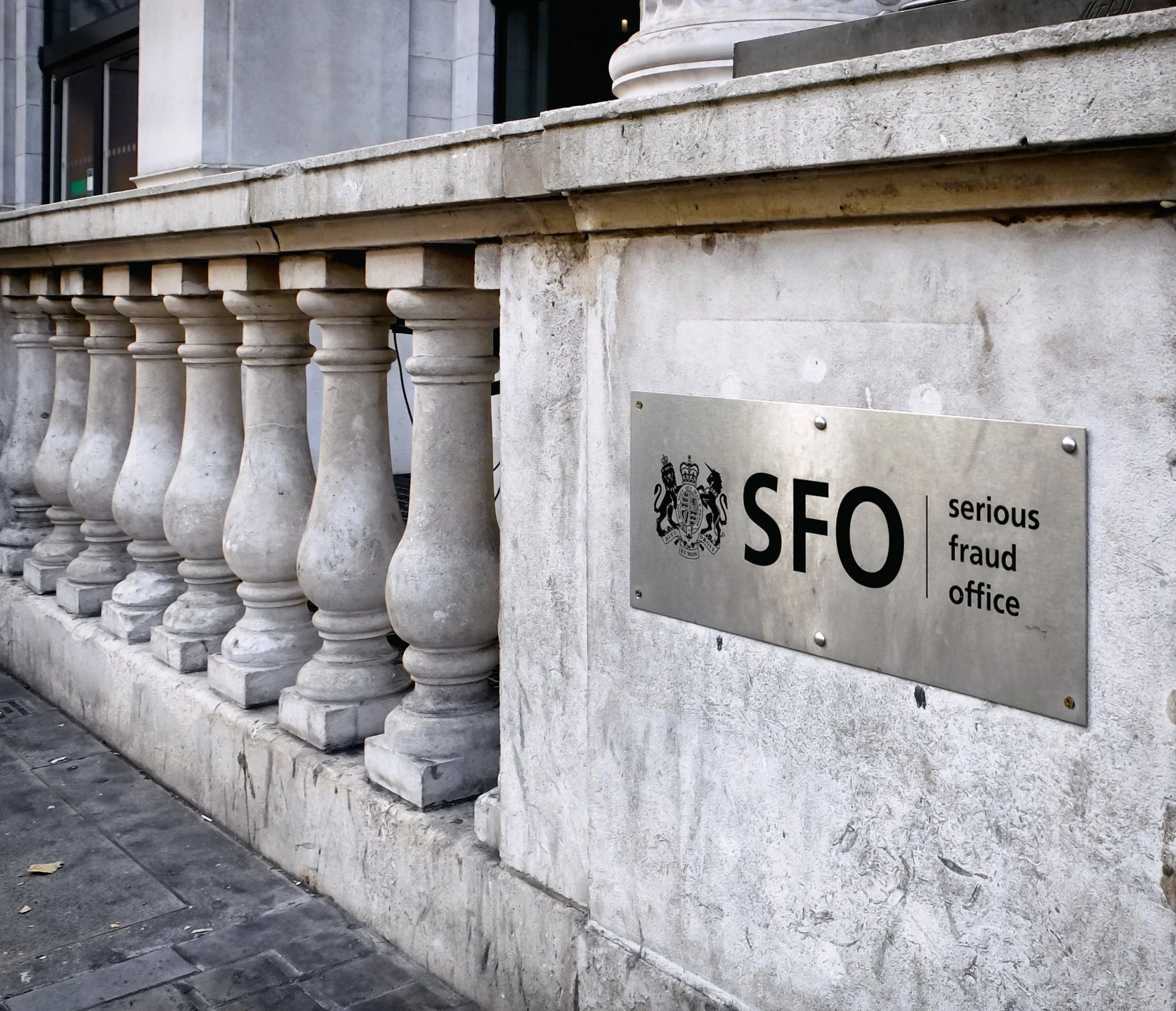
The Serious Fraud Office (SFO) has announced a significant Deferred Prosecution Agreement (DPA) with Ultra Electronics Holdings Ltd (previously plc), marking an important development in the UK’s approach to corporate bribery enforcement. The agreement concludes an eight-year investigation into the company’s failure to prevent bribery in overseas dealings linked to Algeria and Oman. Ultra Electronics was previously listed on the FTSE 250 until 1 August 2022, when it was taken private following its acquisition by Cobham, which is owned by Advent. The company now operates under new leadership.
Background
Under the agreement, approved by the court, Ultra Electronics will pay a £10 million penalty and £4.8 million towards the SFO’s investigation costs. The case concerns the company’s failure to prevent bribery in connection with contracts pursued through agents in Oman and Algeria, including a major contract with the Omani Ministry of Transport and Communications and two proposed contracts in Algeria relating to airport technology and encryption services.
The investigation into Ultra Electronics was notably protracted, taking eight years to reach its conclusion. The SFO investigation began in 2018 after the company reported concerns about possible corruption in Algeria. It was later widened to consider the company’s activities across all jurisdictions in which it operated. The SFO had previously ended discussions with Ultra Electronics after deciding that the circumstances did not support a meaningful agreement. Negotiations only resumed after substantial changes were made to the company’s ownership, structure and senior leadership. The SFO was then satisfied that the new leadership team was both willing and able to engage constructively and in good faith.
The allegations focused on improper payments made through intermediaries to secure business advantages in foreign jurisdictions, conduct falling within the scope of the UK Bribery Act 2010. As part of the DPA, Ultra Electronics must comply with strict conditions and report annually to the SFO for three years on the effectiveness of its anti-bribery and compliance procedures.
In 2023, Ultra also resolved separate proceedings in Canada through a remediation agreement with public prosecutors. That agreement concerned conduct in the Philippines and recorded the company’s responsibility for two bribery offences involving public officials, as well as one fraud offence against the Philippine government.
DPAs and Implications for Corporate Compliance
A Deferred Prosecution Agreement is a court-approved arrangement between a prosecutor and an organisation. Under the agreement, prosecution is suspended provided the organisation complies with specified conditions, which may include paying a financial penalty, cooperating with investigators, and improving its compliance procedures.
The case highlights the continuing focus of UK enforcement agencies on corporate bribery, overseas agents, and the adequacy of compliance systems within companies operating in high-risk international markets. DPAs remain a key enforcement tool for the SFO and demonstrate its continued willingness to use them in complex multi-jurisdictional investigations.
For businesses operating internationally, the case is a reminder of the importance of robust anti-bribery and corruption controls. The “failure to prevent” offence places responsibility on organisations to manage the risks associated with third parties and intermediaries. Key lessons include the need to conduct thorough due diligence on partners and agents, monitor overseas operations on an ongoing basis, maintain strong internal compliance frameworks, and cooperate appropriately with authorities when issues arise.
Looking Ahead - Implications for the SFO
The Glencore case in 2022, which resulted in a £281 million fine, was the last time the SFO imposed a penalty for corporate bribery. This latest agreement therefore represents a significant success for the agency, following a series of setbacks in major corporate cases involving companies such as Serco, G4S and London Mining.
It also comes at a time of transition for the SFO. In February 2026 the SFO announced that Graham McNulty will take over as Interim Director in April following the early retirement of Nick Ephgrave QPM. The SFO has also come under scrutiny over resourcing. A recent report by His Majesty’s Crown Prosecution Service Inspectorate (HMCPSI) identified that the SFO spent 9% of its budget – £7.6m – on external counsel and that it faced difficulties recruiting enough legal staff, in part because it is competing with defence firms and other organisations, including the Financial Conduct Authority. The FCA is often considered better resourced for tackling financial crime because it is independently funded by the financial services industry, whereas the SFO relies on public funding.
The SFO has also faced ongoing disclosure difficulties linked to its former Autonomy Introspect e-discovery system, which has now been replaced. In November 2025, it identified an issue affecting the way some “digital container” files were expanded, meaning material may not have been available for review in around 20 long-running cases. This follows an earlier review of 66 historic conviction cases involving Autonomy search-term issues, with the SFO reporting that no material has so far been found to undermine any convictions, although three cases remain under review.
Against this backdrop, the SFO’s action may signal a renewed emphasis on DPAs as a tool for corporate enforcement. As regulatory scrutiny increases globally, UK authorities appear poised to take a more assertive role in addressing corporate misconduct.
About the Author
Daniel Godden is a criminal law solicitor and partner at Berkeley Square Solicitors, specialising in Serious Fraud Office (SFO) investigations, corporate crime, and high-stakes regulatory disputes. He has been involved in some of the UK’s most significant and complex fraud matters, including work connected to the Amec Foster Wheeler investigation—one of the most prominent international bribery cases pursued by the SFO.
Daniel also represented Dr Gerald Smith, a case involving the enforcement of a confiscation order exceeding £70 million. This exceptionally complex matter involves the SFO and 27 parties (including BVI liquidators, the Viscount of Jersey, and High Court receivers) was transferred to the Commercial Court due to its scale and complexity. He advises both individuals and corporates at every stage of an SFO investigation, combining strategic judgment with a clear focus on protecting reputation, managing risk, and securing the best possible outcome.
If you or your organisation are under investigation by the SFO, early and decisive legal advice is critical. Contact Daniel for a confidential discussion at dgodden@berkeleylegal.co.uk or 020 3858 0851. Alternatively read the guide on our website to serious fraud prosecutions.